
The Move Toward Jewellery with Emotional Weight
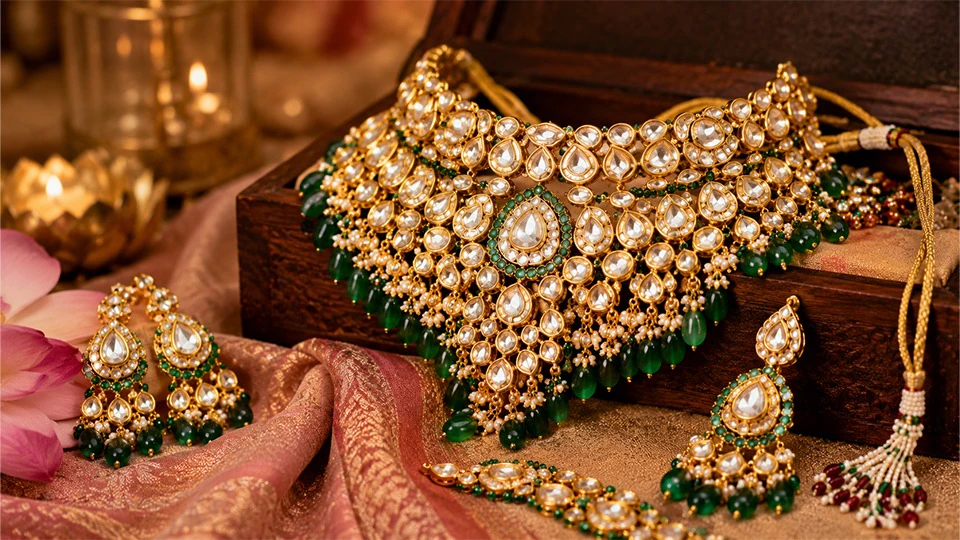
A key driver of the revival is the desire for pieces that outlast the wedding day. After years of buying jewellery primarily for the event, many brides are now investing in sets they view as future heirlooms. They want jewellery that feels timeless, can be passed down, and retains meaning beyond a single function. Polki fits this requirement more readily than most seasonal styles. Its historical place in Indian bridal wear, combined with the visible craftsmanship of uncut stones and traditional techniques, gives it a sense of permanence. Some brides are commissioning new pieces inspired by family jewellery; others are restoring their mothers’ or grandmothers’ sets and pairing them with contemporary lehengas. This blend of old and new has become one of the clearer styling patterns of 2026.
What Workshops Are Seeing?
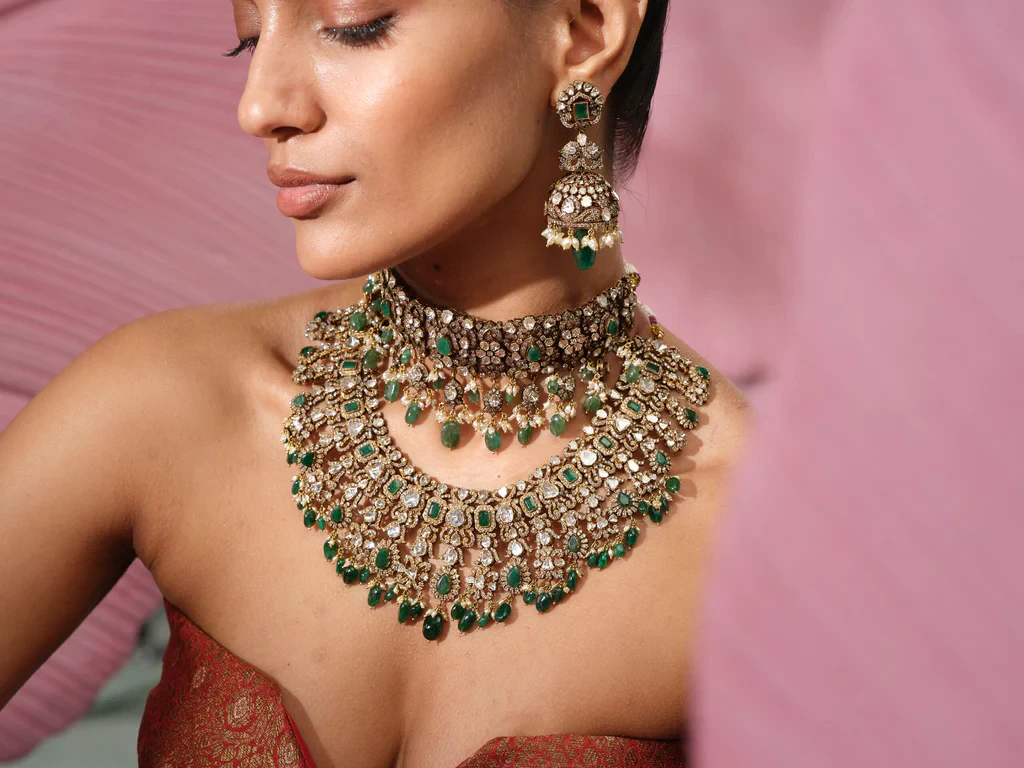
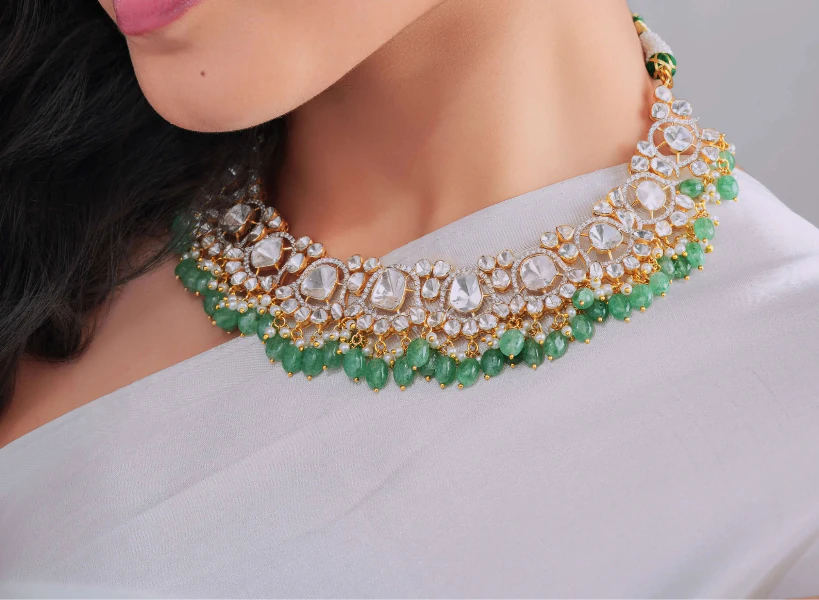
Bridal jewellers and karigars report stronger demand for statement polki over the last two wedding seasons. Common requests include larger chokers, layered necklaces, oversized earrings, intricate hand-setting, and custom designs that reference vintage aesthetics while suiting modern outfits. The orders are not limited to ultra-traditional brides. Many are specifying softer overall styling so the jewellery remains the focal point without the look becoming overwhelming.
How Styling Has Changed?
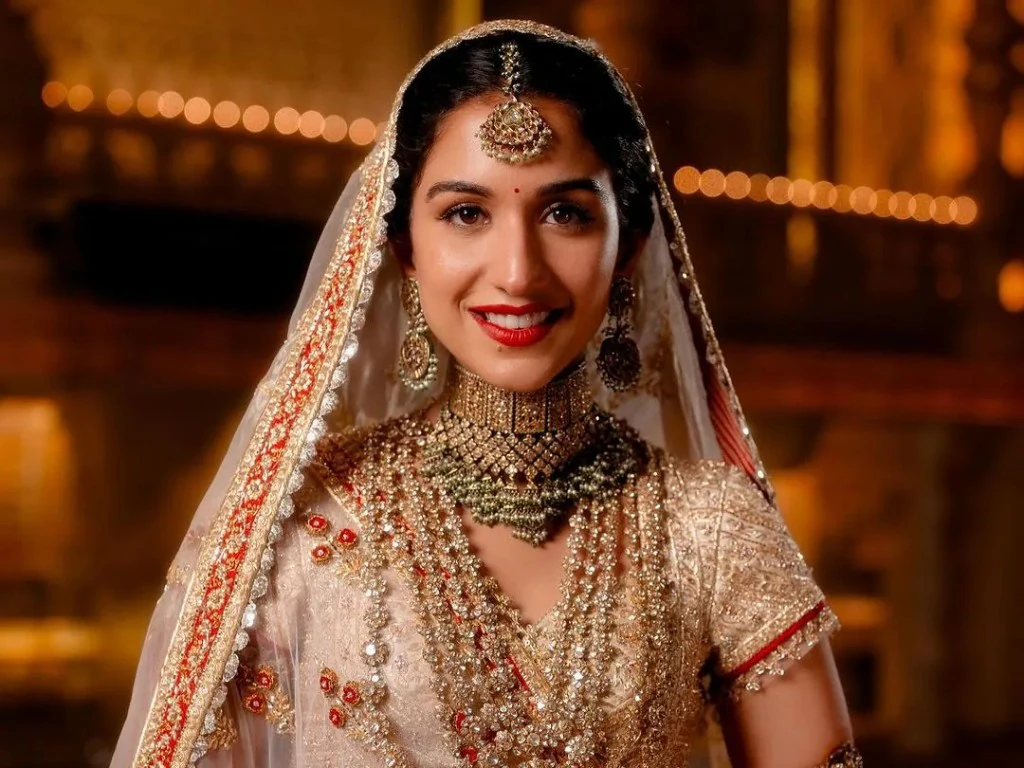
Earlier heavy bridal jewellery was often matched with dramatic makeup, dense embroidery, and fully traditional presentation. Today’s approach is more balanced. Brides are pairing substantial polki with:
- Dewy, fresher makeup rather than heavy matte glam
- Cleaner blouse silhouettes and lighter dupatta draping
- Softer hairstyles
- Minimal or contemporary mehendi
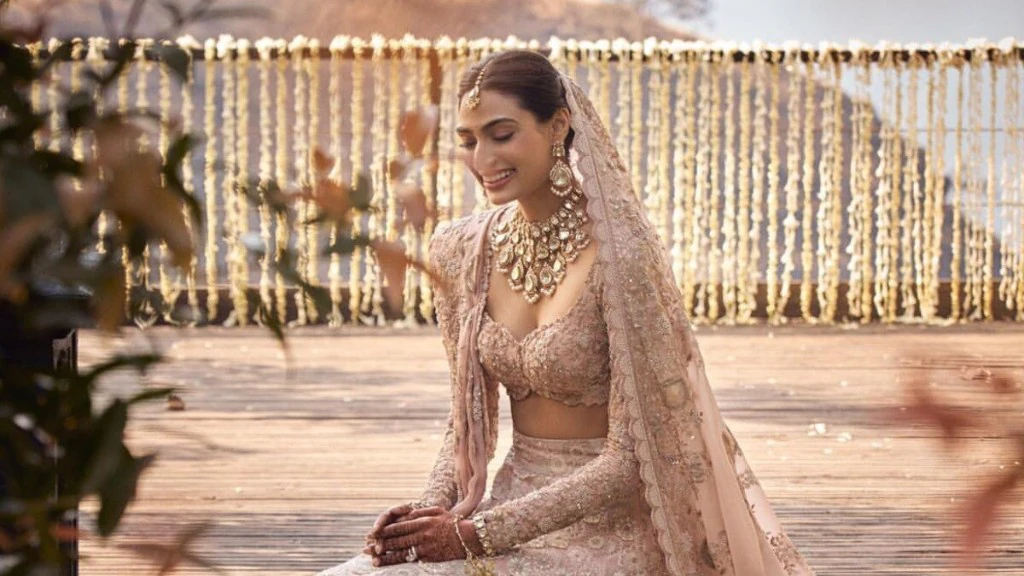
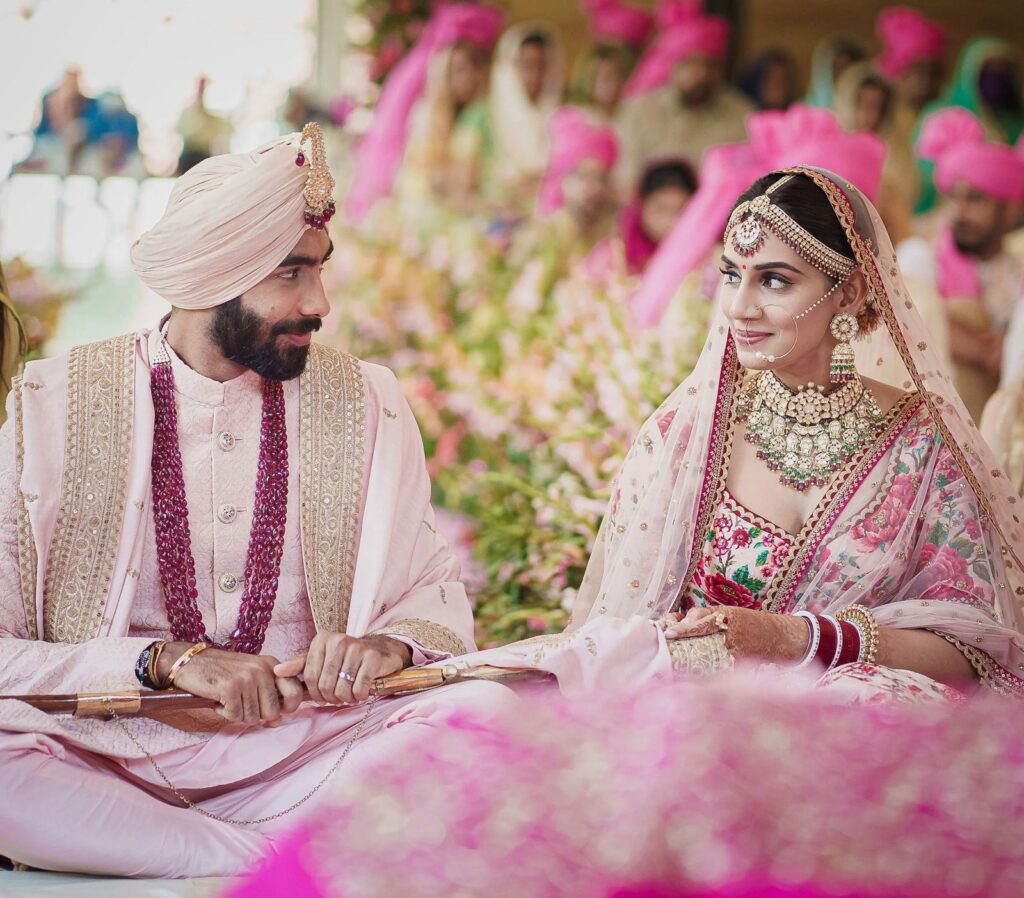
The contrast makes the jewellery more prominent while keeping the overall appearance current. Layering has also returned, chokers with longer haars, multiple necklaces, stacked bangles, but it is usually offset by restraint in other areas so the result stays elevated rather than excessive.
Why Are Uncut Diamonds Resonating?
Perfectly cut diamonds dominated luxury bridal jewellery for years. The current preference for polki reflects a broader move toward pieces that feel handcrafted and textural. The natural variations in uncut stones read as authentic and artisanal. In an environment where much wedding imagery is highly polished, this quality stands out in both real life and photographs. Social media and professional wedding photography have reinforced the trend. Close-ups of layered polki, hand-set details, and traditional work translate well on camera and contribute to the visual narrative of the wedding without needing additional drama in makeup or outfit.
Final Thoughts
The polki revival is driven by more than aesthetics. Brides are selecting jewellery that carries craftsmanship, cultural continuity, and the potential to become an heirloom. In a category where many trends move quickly, the combination of presence, photographability, and long-term meaning explains why oversized polki sets have returned at this scale in 2026.
Reader conversations (0)