

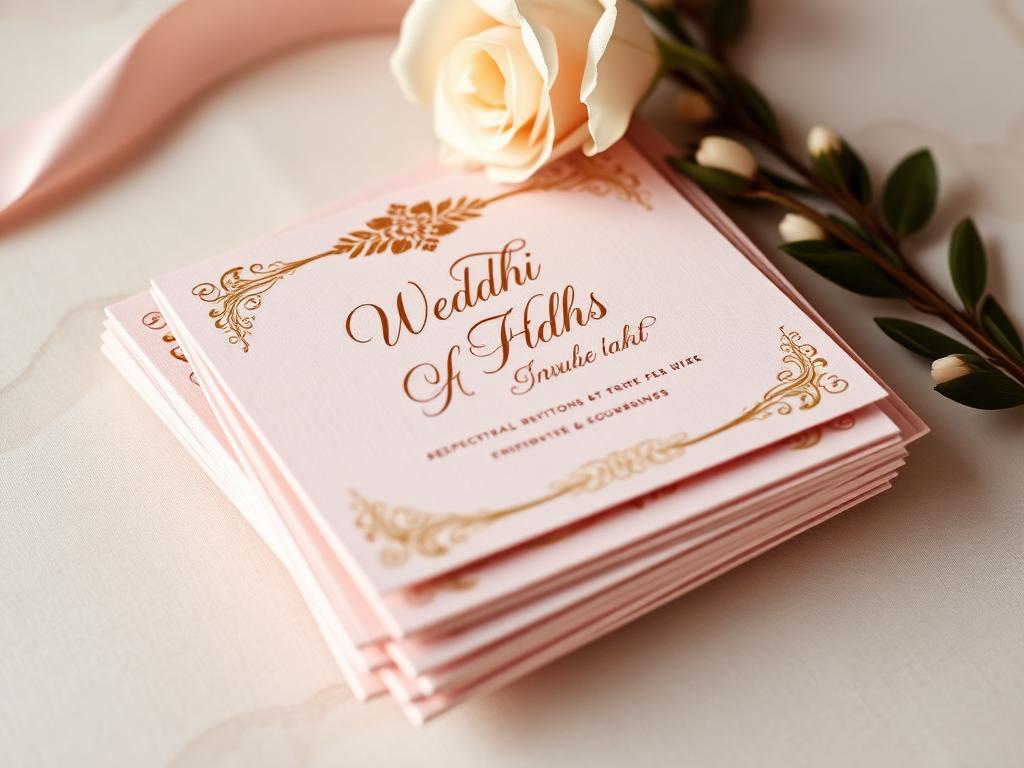
Wedding Invitations Are Changing Faster Than Anyone Expected
A few years ago, wedding invitations in India were an entire experience by themselves.
Heavy boxes wrapped in silk ribbons.
Handwritten names.
Scented cards.
Gold foiling.
Sweet boxes tucked inside elaborate packaging.
Families personally delivering invitations from one home to another.
The invitation wasn’t just information.
It was emotion.
Tradition.
Respect.
A formal beginning to the wedding celebrations.
But in 2026, wedding invitations are changing rapidly — and honestly, not everyone is happy about it.
QR-code wedding invites and digital wedding invitations are becoming one of the biggest trends among modern couples. Instead of spending lakhs on printed invitation boxes, many couples are choosing:
- digital invites,
- wedding websites,
- animated e-cards,
- RSVP QR systems,
- and WhatsApp-friendly invitation formats.
For some people, it feels practical and refreshingly modern.
For others, it feels like weddings are losing an important cultural ritual.
And that’s exactly why the QR-code wedding invite debate has become so divided right now.
Why Modern Couples Are Choosing QR-Code Wedding Invites
The biggest reason is simple:
convenience.
Modern weddings are far more complex than they used to be. Most celebrations now involve:
- multiple events,
- destination logistics,
- dress codes,
- hotel bookings,
- airport pickups,
- personalized itineraries,
- and constantly changing guest communication.
Traditional printed invitations often struggle to keep up with all of that information.
QR-code wedding invites solve many of those problems instantly.
Guests can scan one code and access:
- event schedules,
- venue maps,
- RSVP forms,
- hotel details,
- gift registries,
- transportation updates,
- and even live event changes directly on their phones.
For destination weddings especially, this has become incredibly useful.
Instead of printing huge invitation booklets filled with inserts, couples can simply update information digitally whenever needed.
And honestly, for many couples planning large modern weddings, that flexibility feels necessary now.
Weddings Have Become More Digital Overall
Another reason QR-code invites are growing so quickly is because weddings themselves are becoming far more technology-driven.
Today’s weddings already rely heavily on:
- digital mood boards,
- wedding websites,
- online RSVPs,
- cloud photo sharing,
- drone coverage,
- event apps,
- and social media storytelling.
So for many younger couples, digital invitations feel like a natural extension of how weddings already function.
Especially among couples planning:
- destination weddings,
- intimate weddings,
- international guest lists,
- or modern city weddings,
physical invitation boxes can sometimes feel unnecessary, expensive, and logistically stressful.
Many couples are also becoming more conscious about:
- paper waste,
- excessive packaging,
- and sustainability.
A digital invitation naturally feels lighter, faster, and more environmentally conscious.
But For Many Families, Physical Invitations Still Matter Emotionally
And honestly, this is where the debate becomes emotional rather than practical.
Because in Indian weddings, invitations have never been just about sharing information.
They represent effort.
For older generations especially, physically visiting relatives with invitation cards is tied deeply to:
- respect,
- family connection,
- and wedding culture itself.
Many grandparents and parents still believe:
“If you don’t personally invite someone, it doesn’t feel genuine.”
And in many ways, they’re not wrong.
A beautifully designed wedding card carries emotional weight in a way a QR code sometimes simply can’t.
People save wedding invitations for years.
Families keep them inside albums and memory boxes.
Some invitations become part of family history itself.
A WhatsApp invite, no matter how beautifully designed, rarely creates that same emotional permanence.
That’s why so many families feel conflicted about fully replacing printed invitations.
The Real Debate Isn’t Digital vs Traditional
Interestingly, most couples today aren’t completely abandoning printed invites.
Instead, they’re blending both worlds together.
And honestly, that hybrid approach is becoming the smartest solution.
Many modern weddings now use:
- luxury printed invitations for close family and elders,
- and digital QR-based invites for friends, colleagues, and extended guest lists.
This balance allows couples to preserve the emotional and ceremonial aspect of wedding invitations while still benefiting from modern convenience.
Stationery designers are adapting to this shift too.
Some printed invitations now include:
- embedded QR codes,
- digital RSVP links,
- personalized wedding websites,
- and scannable itineraries directly inside luxury card designs.
So instead of replacing tradition completely, technology is slowly becoming integrated into it.
Wedding Invitations Are Becoming More Design-Focused
One interesting thing happening because of digital invites is that wedding stationery design itself is becoming much more creative.
Instead of standard invitation formats, couples are experimenting with:
- animated invitation films,
- illustrated love stories,
- interactive websites,
- custom typography,
- motion graphics,
- and editorial-style layouts.
Some digital invites now feel almost cinematic.
At the same time, printed invitations are also evolving:
- softer palettes,
- textured papers,
- minimal luxury aesthetics,
- wax seals,
- hand-painted artwork,
- and personalized illustrations are becoming increasingly popular.
The invitation itself is becoming part of the wedding’s visual identity rather than just a formal card.
QR Codes Are Changing Guest Experience Too
From a practical perspective, QR-based invitations genuinely improve guest convenience.
Instead of relatives constantly calling for directions or event timing clarifications, guests can instantly access everything digitally.
Some modern wedding QR systems now include:
- Google Maps integration,
- live itinerary updates,
- dietary preference forms,
- event reminders,
- and even digital check-ins at venues.
For destination weddings especially, this level of organization helps reduce confusion significantly.
And honestly, guests appreciate simplicity more than couples realize.
But There’s Still Something Special About a Physical Card
Even among younger couples embracing digital weddings, there’s still a strong emotional attachment to printed invitations.
Because physical cards create anticipation.
There’s something special about:
- opening a beautifully wrapped invitation,
- feeling textured paper,
- reading carefully written details,
- and physically holding the first glimpse of someone’s wedding celebration.
A wedding invitation often becomes the first emotional introduction to the wedding itself.
And that experience is difficult to recreate digitally no matter how advanced technology becomes.
That’s why many couples still choose to preserve at least some physical invitation traditions, even while modernizing everything else around them.
Modern Weddings Are Redefining Tradition, Not Erasing It
At its core, this debate reflects something much bigger happening across weddings overall.
Modern couples are constantly trying to balance:
- tradition and convenience,
- emotion and practicality,
- heritage and modern lifestyles.
They don’t necessarily want to reject cultural rituals.
They simply want those rituals to fit the realities of how people live today.
And honestly, wedding invitations are evolving the same way every other part of weddings is evolving:
- bridal fashion,
- décor,
- photography,
- and even guest experiences are all becoming more personalized and adaptable.
Invitations are simply part of that larger transformation.
So… Convenience or Cultural Loss?
The truth is, it’s probably a little bit of both.
QR-code wedding invites absolutely make weddings easier to manage. They save time, reduce waste, improve organization, and fit naturally into how modern couples communicate today.
But at the same time, physical invitations still carry emotional value that digital formats haven’t fully replaced.
And honestly, that’s okay.
Not every wedding tradition needs to disappear completely for weddings to modernize.
Sometimes the best approach is simply finding a balance between the two.
Final Thoughts
Wedding invitations are no longer just formal announcements.
They’ve become reflections of how modern couples view weddings themselves — more personalized, more flexible, more design-conscious, and more connected to technology than ever before.
Some couples will always love the ritual of printed invitation boxes and family visits.
Others will happily send beautifully designed QR-code invites and never look back.
Neither approach is wrong.
Because at the end of the day, the invitation is only the beginning of the celebration.
What truly matters is the experience, emotion, and connection that follows after it.
Reader conversations (0)